
Ian Waugh is a British broadcaster, historian, researcher and published author.
I was born in Dorset and brought up in Devon, with family roots in the South West of England extending back many generations. British social history has fascinated me for most of my life, particularly the lives of ordinary people and the stories that survive in newspapers, letters, photographs and other personal records.
My historical research has ranged from major criminal cases to the smallest details of everyday life. I co-authored
The Man They Couldn’t Hang,
and maintain an extensive research archive relating to the Babbacombe murder and John Lee.
Broadcasting
My broadcasting career began in the 1970s. I have worked with radio and television organisations in Britain, including independent television and both BBC and independent radio, as well as with state broadcasters in Europe and Africa.
News and current affairs have always been part of my life, but history increasingly became the subject to which I returned. Over the years I have written about historical subjects, built specialist websites and accumulated collections of original material. Research has become something of a lifelong addiction.
My family-history research extends back to the sixteenth century and can be explored
here.

Old British News
A major part of my work is Old British News, my historical newspaper archive and research service covering British newspapers from 1750 to 1950.
I help people around the world investigate ancestors, crimes, court cases, accidents, local events and other stories recorded in Britain’s national and regional newspapers.
The research and archive searching are free, as is the first identified article. Where further relevant articles are found, the complete additional set can be supplied for a single modest flat-rate payment.
A Little About Me
I remain intensely interested in news, current affairs and history. I am also a stroke survivor and live with severe osteoarthritis and substantial mobility difficulties. These have changed how I work, but certainly not my curiosity or enthusiasm for research.
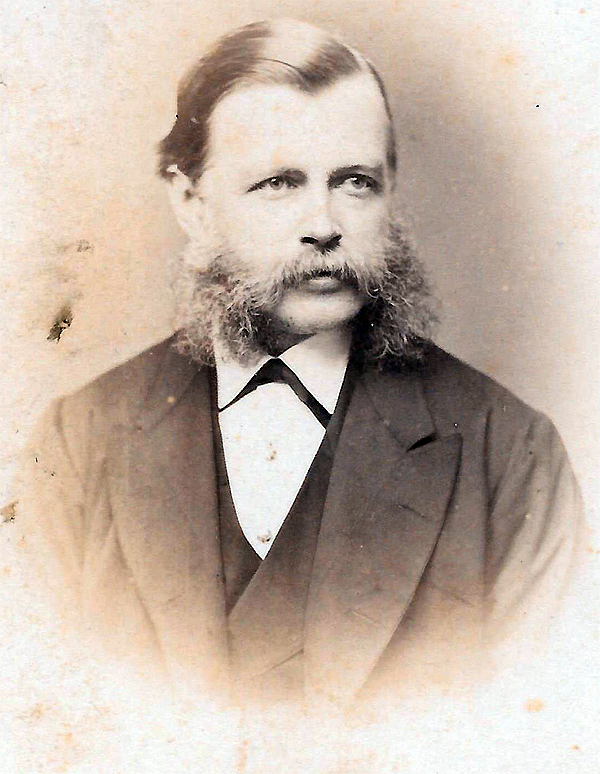
Why British Social History Fascinates Me
My principal interest is not simply in kings, governments and major national events, but in how ordinary people actually lived.
Letters, photographs, newspaper reports, legal papers, diaries and seemingly insignificant pieces of ephemera can reveal emotions, relationships, ambitions, hardships and everyday experiences that rarely appear in conventional historical accounts.
A single letter or newspaper paragraph may be the only surviving record of an individual’s thoughts or experiences. Preserving and studying such material allows people who might otherwise disappear from history to have a voice again.
Ordinary Lives Matter
Social history gives us a way of understanding the past from the ground upwards. It reveals how people worked, raised families, experienced poverty or prosperity, responded to war and social change, entertained themselves and participated in their communities.
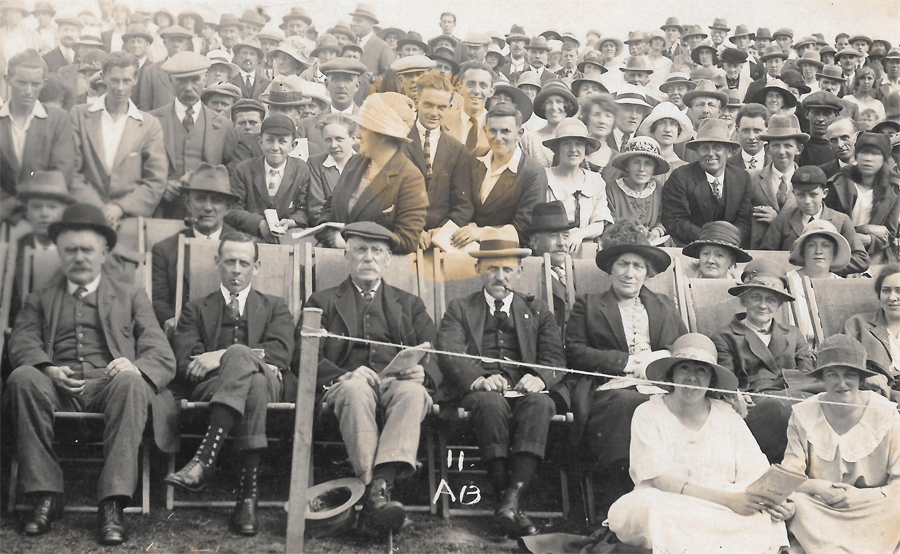 It is also important because it can recover the experiences of people whose voices were traditionally overlooked or marginalised. History becomes richer when we look beyond official institutions and study the lives of the people who actually inhabited the world we are trying to understand.
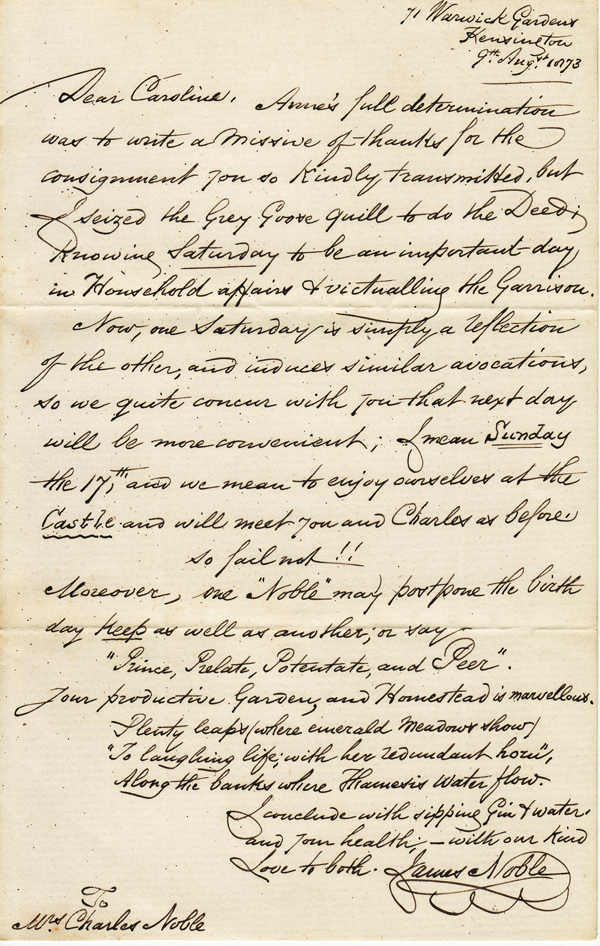
Researching the Past
Historical research now benefits from extraordinary access to archives, libraries, museums and digitised collections. Newspapers in particular allow researchers to move beyond names and dates and reconstruct the circumstances surrounding an individual’s life.
But access to information is only the beginning. Good historical research requires context, comparison between sources and a willingness to question apparently simple conclusions.
Original material remains particularly important to me. Letters, photographs, documents and ephemera preserve details that may never have been recorded elsewhere and sometimes constitute the only surviving evidence of a person’s life.
Preserving Personal History
I have collected and researched original letters, photographs and documents for many years. What might initially appear to be an unimportant piece of paper can lead to the reconstruction of an entire life.
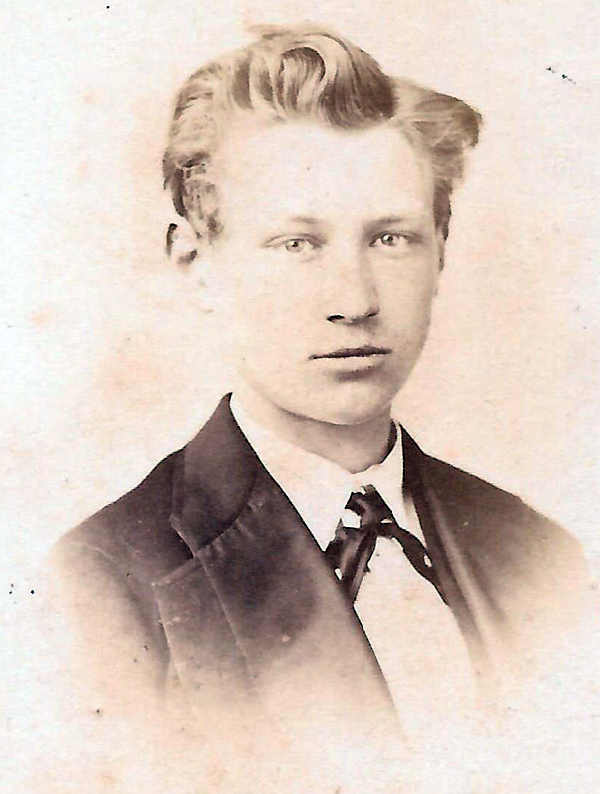 Personal archives give us glimpses of family relationships, work, love, loss, travel, ambition and ordinary routines. They help place individuals within the wider cultural and social world in which they lived.
Remembering these people matters. History is not made only by the famous. Millions of supposedly ordinary lives collectively created the society we inherited.
Keeping the Past Alive
For me, historical research is ultimately about restoring people and their stories. A newspaper report, photograph or surviving letter can reconnect us with somebody who lived generations ago and make their experiences understandable again.
That is what continues to drive my research: finding forgotten people, piecing together their stories and preserving material that might otherwise disappear.
Elsewhere
My historical archive of letters, images and documents can be found in my Old Days archive.
My occasional writings can be found on m’Blog, with links to my other projects available from the main site menu.
You can also find Old British News on X / Twitter.